
Why are food commodities important in our world?
Food commodities are the backbone of global food security and are characterized by constant demand and extensive international trade, making them a fundamental pillar of economic stability and growth.
Wasem Al Aamal Holding Company is a Saudi company specializing in the supply and trading of essential commodities. We offer integrated business solutions in the energy, petrochemical, chemical, and food sectors, focusing on reliability, quality supply, and building long-term partnerships both locally and globally.
Wasem Al Aamal Holding Company provides its services through a professional system designed to ensure continuity of supply, efficient supply chains, and the fulfillment of diverse market demands. Our services include managing supply and distribution operations, logistics coordination, compliance with regulatory standards, and quality assurance, along with flexible solutions that support the needs of our clients and commercial and industrial projects, achieving stability and sustainable growth.
At Wasem Al Aamal, we are committed to quality, transparency, and operational efficiency, while providing reliable business solutions that meet the aspirations of our clients across various sectors. For direct contact: 0558816609
We offer a comprehensive range of high-quality oil derivatives and petrochemicals to meet the needs of the industrial and commercial sectors.
Petroleum derivatives are products obtained from refining crude oil within refineries, and are used in the fields of energy, transportation, industry, petrochemicals, and heating.
Characteristics: Highly flammable, relatively clean, easy to transport and store.
Characteristics: Highly volatile, high combustion energy.
Common grades: 91, 95, and 98 octane.
Characteristics:
Moderately volatile, stable combustion.
Characteristics: Low freezing point, high safety at high altitudes.
Characteristics: High efficiency, lower consumption compared to gasoline.
Types: Automotive diesel, industrial diesel, marine diesel
Characteristics: Dense, high viscosity, low cost.
Common Grades: IFO 180 – IFO 380 – LSFO
Characteristics: Reduces friction, cools moving parts.
Types: Engine oils, hydraulic oils, industrial greases
Characteristics: High viscosity, waterproof.
Common Grades: 60/70 – 80/100 – PMB
Characteristics: High-value intermediate.
Examples: White Spirit, Hexane, Toluene
Characteristics: High carbon content, high calorific value.
Characteristics: Odorless, Malleable.
A byproduct of refining
The primary material extracted from the earth and the main source of all petroleum derivatives.
Polypropylene (PP) is a thermoplastic polymer produced from the monomer propylene. It is lightweight, durable, and has good resistance to heat and chemicals. It is widely used in the plastics and packaging industries.
An advanced type of polypropylene with high impact and compression resistance, used in applications requiring extra durability.
Low-density polyethylene is characterized by its flexibility, softness, and ease of shaping, and is often used in the manufacture of plastic films.
Features high flexibility and excellent tear resistance compared to LDPE, making it suitable for applications requiring higher tensile strength.
High-density polyethylene is characterized by its rigidity, strength, and chemical resistance, making it suitable for heavy industries and long-life applications.
A high-performance polymer with exceptional abrasion and impact resistance.
Solvents are used to dissolve other substances or as intermediates in chemical reactions.
Examples: Methanol, Ethanol, Isopropyl Alcohol (IPA), Acetone, Toluene
Acids are used in chemical processing, cleaning, and manufacturing.
Examples: Sulfuric acid, Hydrochloric acid (HCl), Nitric acid, Phosphoric acid, Acetic acid
Strong alkaline substances used in cleaning and manufacturing.
Examples: Sodium hydroxide (NaOH), Potassium hydroxide (KOH), Ammonia solution
Alcohols are used as solvents, disinfectants, and fuels.
Examples: Methanol, Ethanol, Isopropanol, Butanol
Glycols are used in refrigeration, heating, and the plastics industry.
Examples: Monoethylene Glycol (MEG), Diethylene Glycol (DEG), Propylene Glycol (PG)
Products derived from petroleum and natural gas.
Examples: Benzene, Toluene, Xylene, Styrene Monomer
Materials used to purify and improve water quality.
Examples: Sodium Hypochlorite, Hydrogen Peroxide, Aluminum Sulfate Liquid
Used to improve agricultural production.
Examples: (Liquid Fertilizers) Ammonium Thiosulfate (Liquid Pesticides)
Substances approved for food use.
Examples: Citric Acid Solution, Lactic Acid, Glycerin, Propylene Glycol – Food Grade
We offer professional food supply and management services, ensuring quality, stable supply, and adherence to health standards, with efficient distribution to meet the needs of diverse markets.
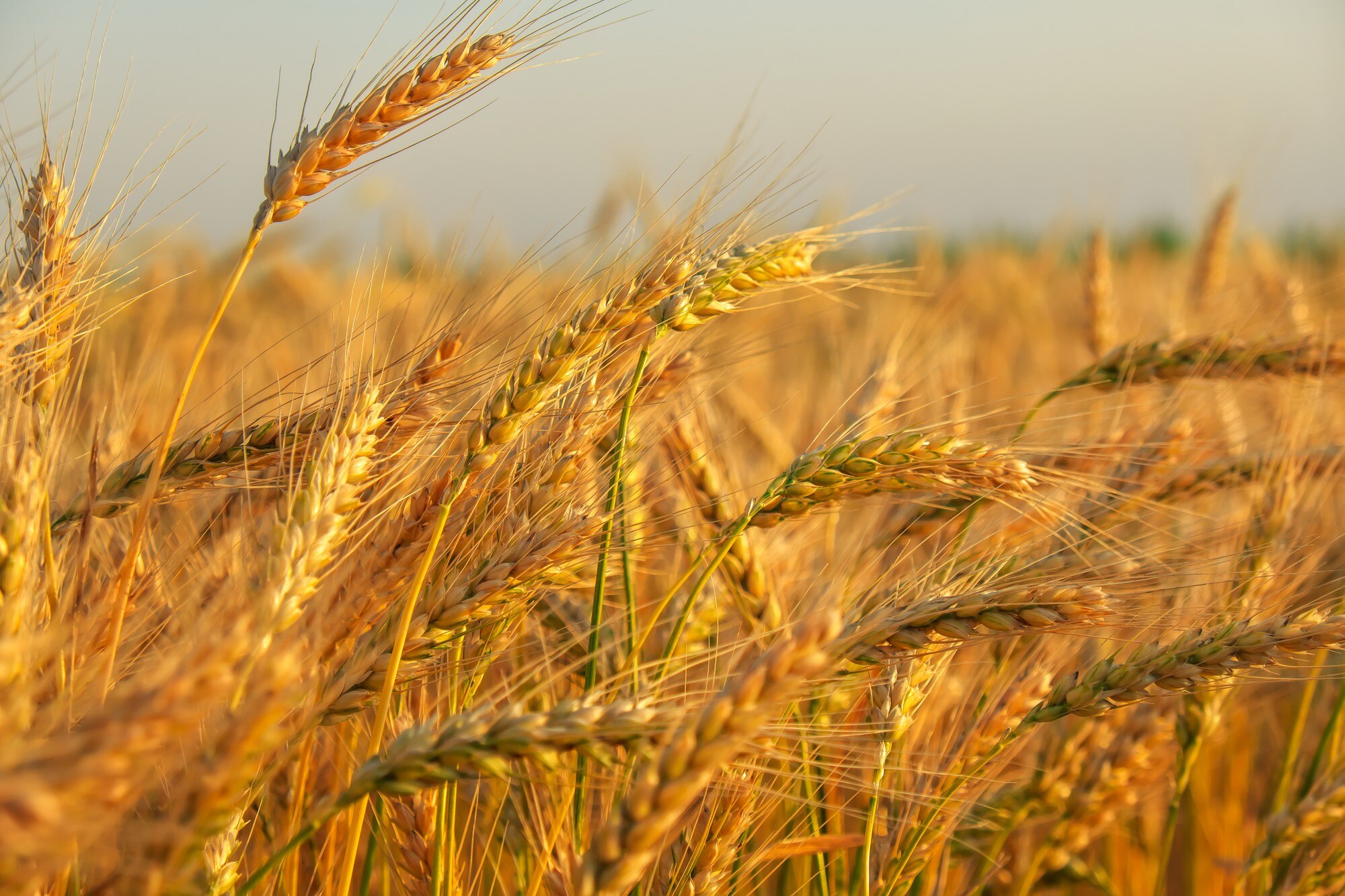
Wheat is one of the most important food grains in the world, primarily used to produce flour for bread, pasta, and pastries. It is a major source of carbohydrates and plant protein. Uses include:
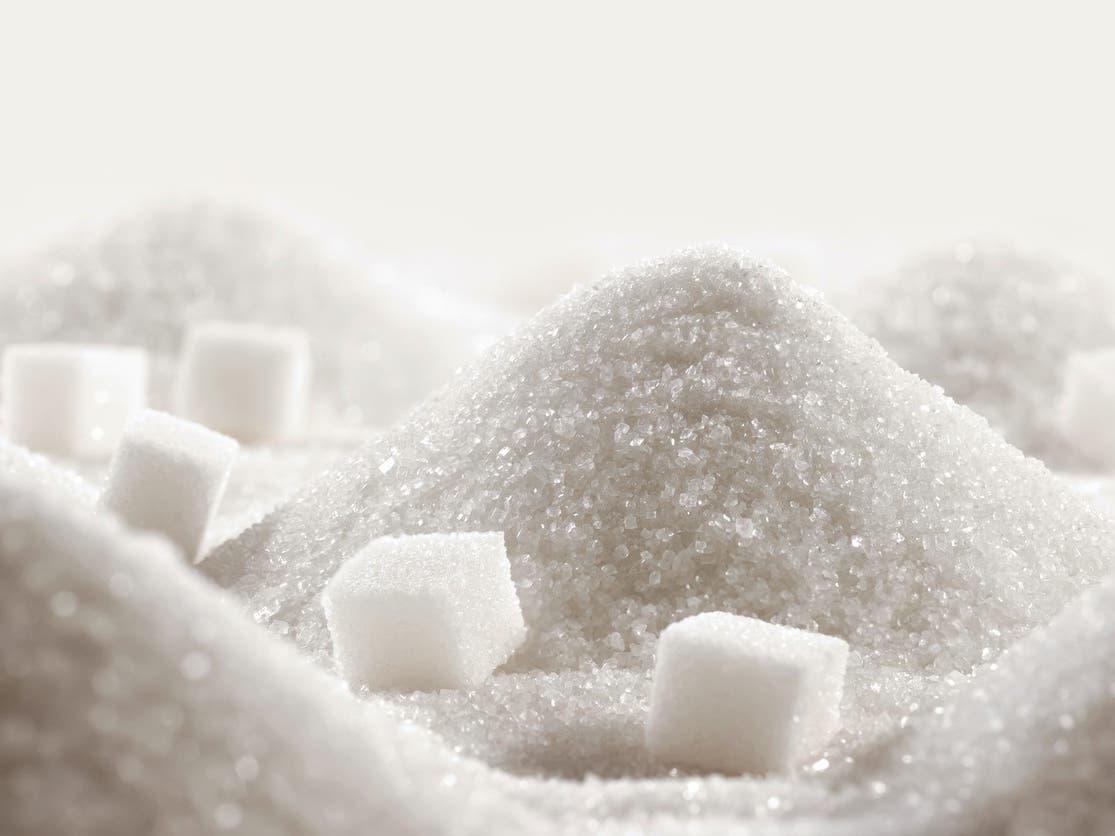
Sugar is a staple food product extracted from sugarcane or sugar beets, and is used as a sweetener in foods and beverages. Uses include:
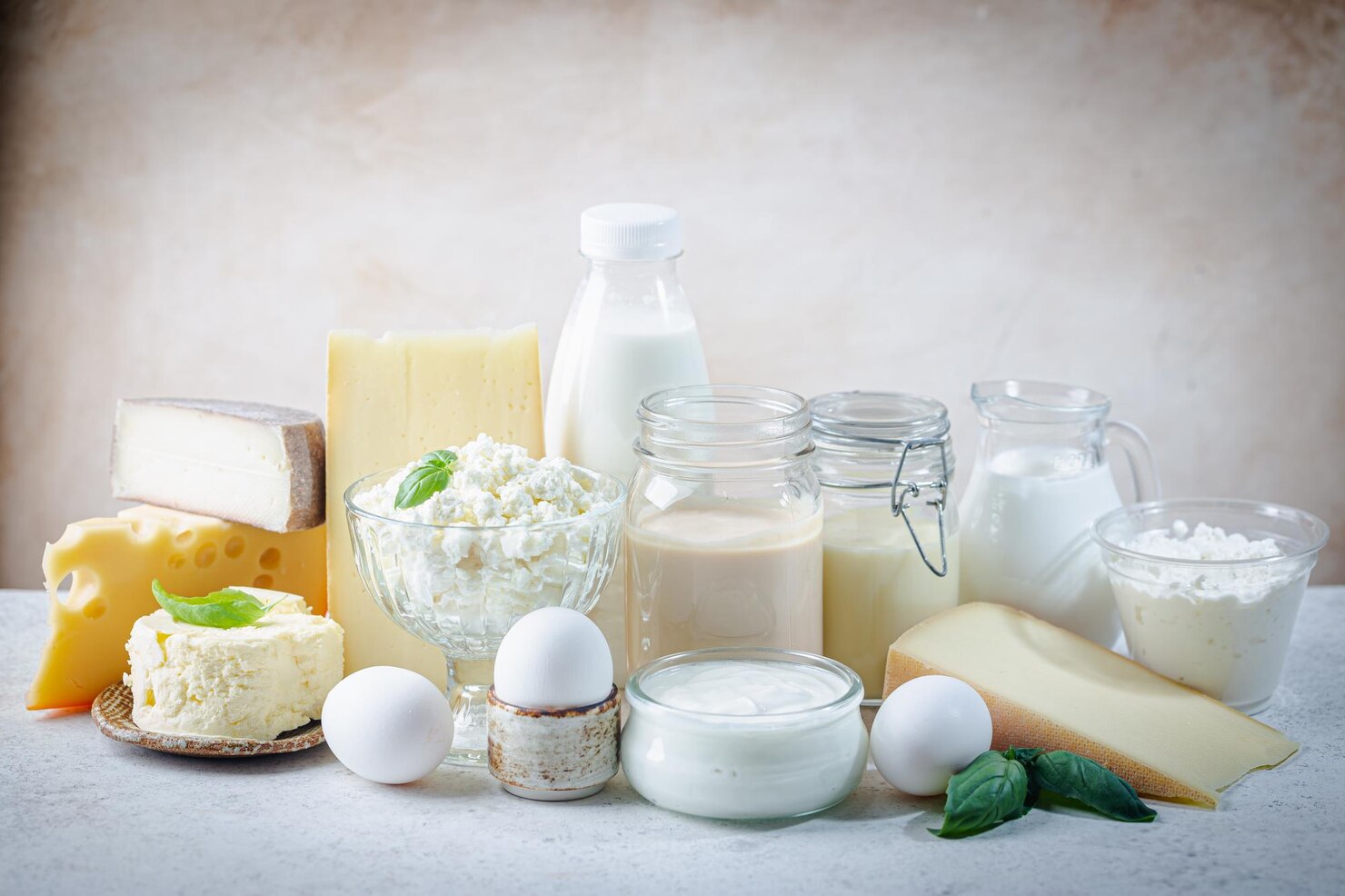
Dairy products include milk and its derivatives such as cheese, butter, and powdered milk, and are an important source of protein and calcium. Uses include:
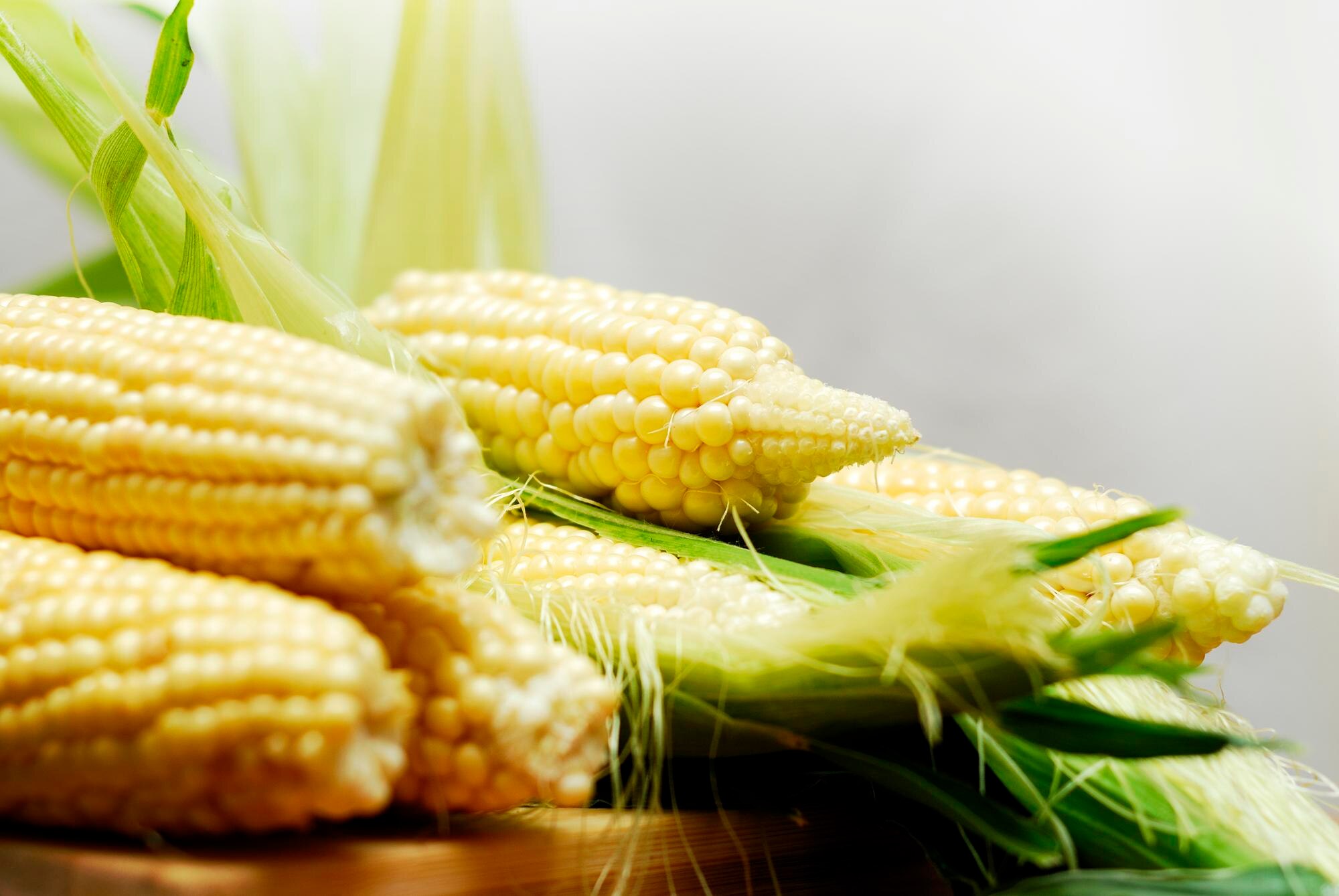
Corn is a strategic crop used in human nutrition, animal feed, and the food industry. Its uses include:
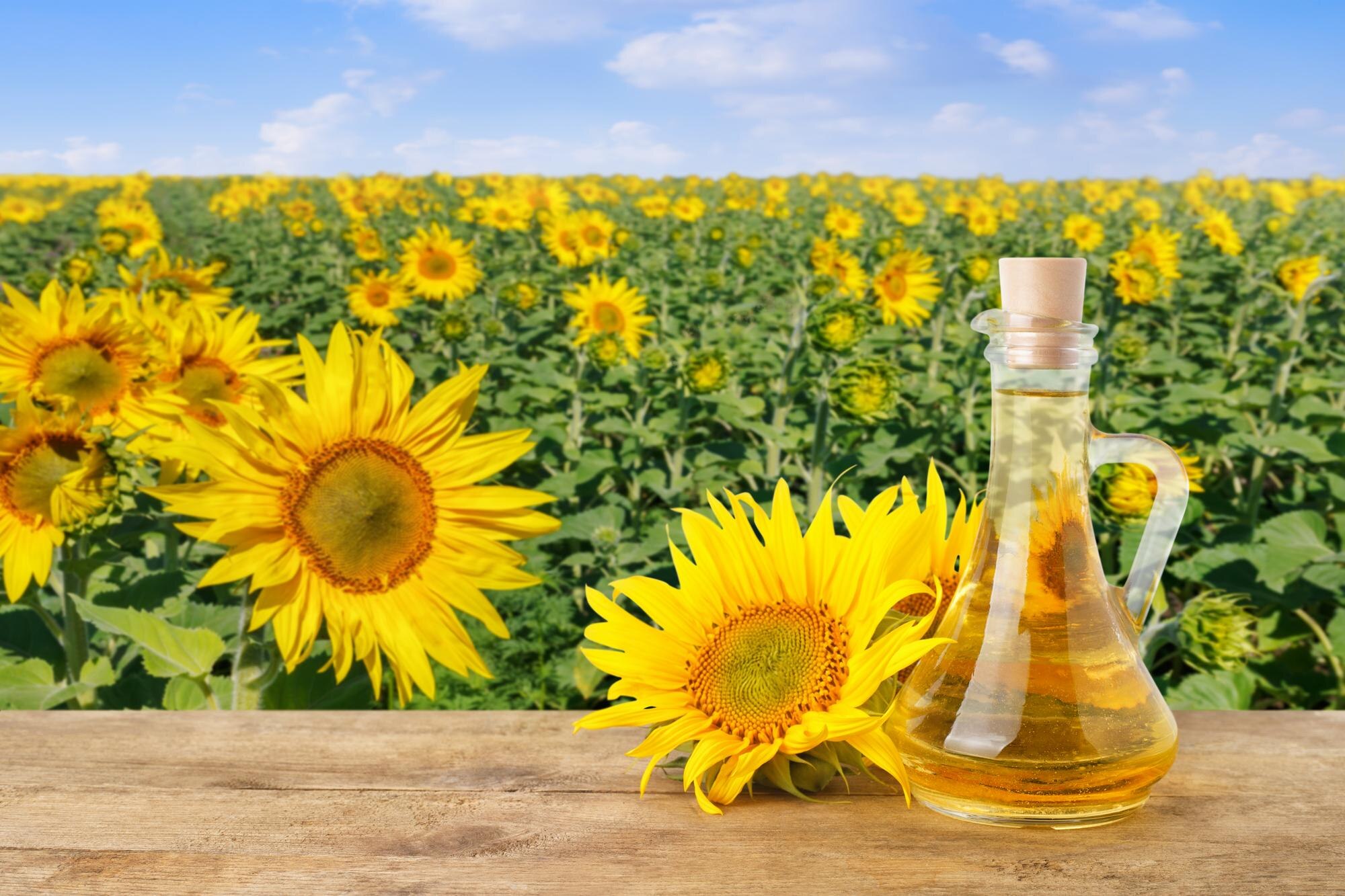
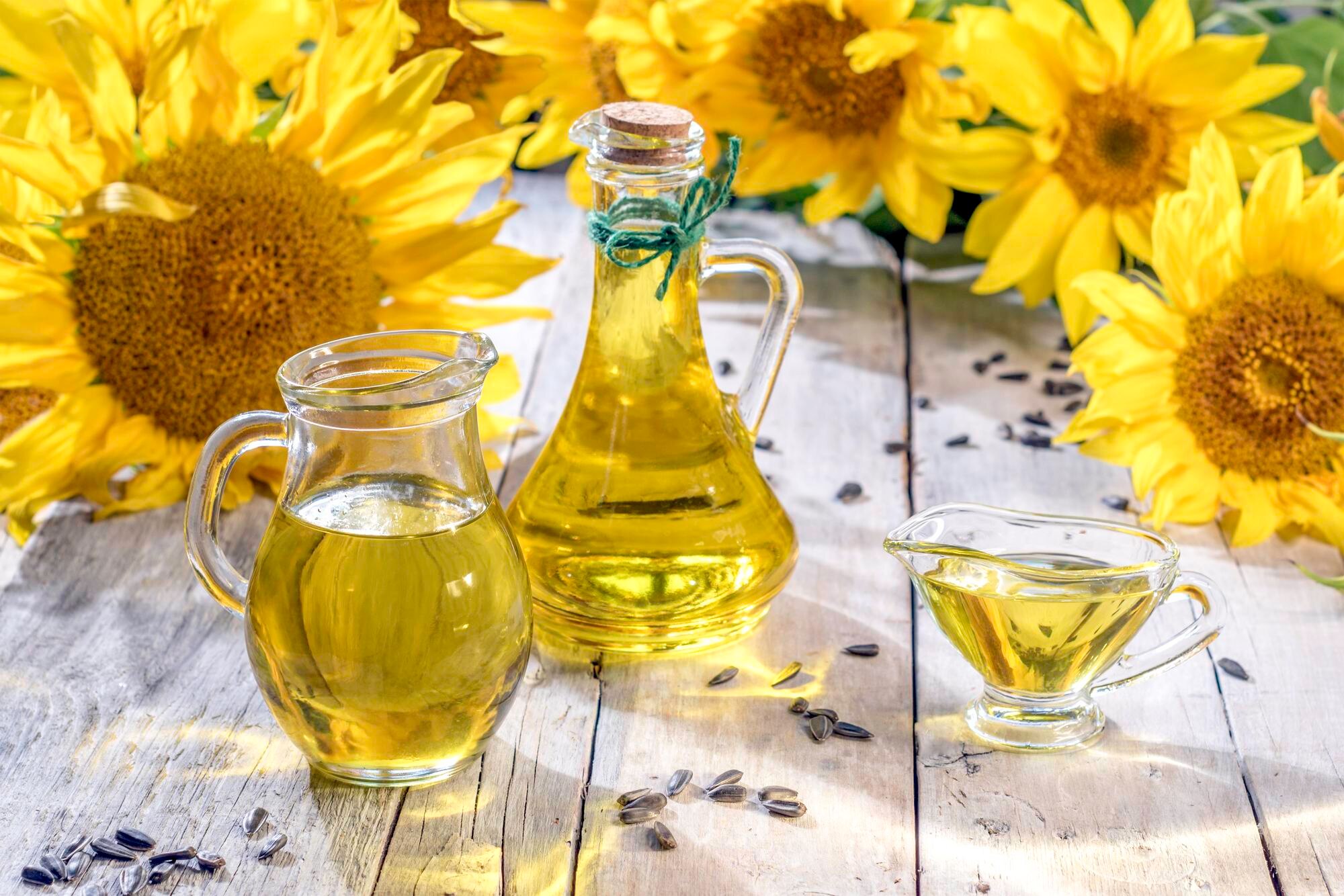
Refined sunflower oil is purified to remove impurities, odor, and color, and is characterized by a high smoke point and a neutral taste. Uses include:
Crude sunflower oil is extracted directly from sunflower seeds and used in refining to produce edible oil. Uses include:
Food commodities are the backbone of global food security and are characterized by constant demand and extensive international trade, making them a fundamental pillar of economic stability and growth.
It is the primary source of food for the world's population and a guarantee of societal stability.
Food commodities have low elasticity of demand, making them an essential daily need.
Connecting continents through massive supply chains and cross-border trade.
It contributes to balancing global economies and providing sustainable investment opportunities.
Innovation in the production and trade of these commodities ensures a better future for coming generations and provides protection against global crises.
High quality, wide variety, global recognition, and stable supply chains
At Wasem Al Aamal Holding Company we offer professional solutions in the field of oil derivatives, based on reliability, quality, and adherence to standards, to ensure a stable supply, efficient performance, and meeting market needs with the highest levels of safety and sustainability.
Contact us now
We are ready to serve you and provide reliable maintenance and operation solutions that ensure business continuity.